As a supplier of electrolyte filling machines, I’m often asked about the working principle of these essential pieces of equipment. In this blog post, I’ll delve into the details of how an electrolyte filling machine functions, shedding light on its operation, components, and the science behind its efficiency. Elctrolyte Filling Machine

Understanding the Basics of Electrolyte Filling
Electrolyte filling machines are designed to precisely dispense electrolytes into various containers, such as batteries, vials, or other storage units. These machines are crucial in industries where accurate and consistent filling is required, ensuring the proper functioning of the end product. Whether it’s for lithium-ion batteries, medical devices, or consumer electronics, electrolyte filling machines play a vital role in the manufacturing process.
Key Components of an Electrolyte Filling Machine
Before we dive into the working principle, let’s take a look at the main components of an electrolyte filling machine:
- Reservoir: This is where the electrolyte is stored. It is typically made of a material that is resistant to the chemical properties of the electrolyte, such as stainless steel or plastic.
- Pump: The pump is responsible for transferring the electrolyte from the reservoir to the filling nozzles. Different types of pumps can be used, including peristaltic pumps, piston pumps, and diaphragm pumps, depending on the specific requirements of the filling process.
- Filling Nozzles: These are the points where the electrolyte is dispensed into the containers. The design of the filling nozzles can vary depending on the size and shape of the containers, as well as the desired filling volume and accuracy.
- Control System: The control system manages the operation of the filling machine, including the activation of the pump, the opening and closing of the filling nozzles, and the monitoring of the filling process. It can be programmed to adjust the filling volume, speed, and other parameters to meet the specific needs of the production line.
- Container Handling System: This system is responsible for moving the containers into position for filling and then transferring them out of the filling area after the process is complete. It can include conveyors, turntables, or other types of handling equipment.
The Working Principle of an Electrolyte Filling Machine
The working principle of an electrolyte filling machine can be divided into several steps:
Step 1: Preparation
Before the filling process begins, the machine needs to be set up and prepared. This includes filling the reservoir with the electrolyte, ensuring that the pump and all other components are functioning properly, and adjusting the control system to the desired filling parameters.
Step 2: Container Loading
The containers to be filled are loaded onto the container handling system, which moves them into position under the filling nozzles. The containers are typically held in place by clamps or other fixtures to ensure accurate filling.
Step 3: Filling
Once the containers are in position, the control system activates the pump, which transfers the electrolyte from the reservoir to the filling nozzles. The filling nozzles open, and the electrolyte is dispensed into the containers at a controlled rate. The filling volume is determined by the settings on the control system, which can be adjusted based on the specific requirements of the product.
Step 4: Monitoring and Adjustment
During the filling process, the control system monitors the filling volume and other parameters, such as the filling speed and pressure. If any deviations from the desired parameters are detected, the control system can make adjustments to ensure that the filling process remains accurate and consistent.
Step 5: Container Unloading
After the filling process is complete, the container handling system moves the filled containers out of the filling area and onto the next stage of the production line. The empty containers are then removed from the machine, and the process can begin again.
Factors Affecting the Working Principle
Several factors can affect the working principle of an electrolyte filling machine, including:
- Electrolyte Properties: The viscosity, density, and chemical properties of the electrolyte can all impact the filling process. For example, a more viscous electrolyte may require a higher pump pressure to ensure proper flow through the filling nozzles.
- Container Size and Shape: The size and shape of the containers to be filled can also affect the filling process. Different filling nozzles may be required for different container sizes and shapes, and the container handling system may need to be adjusted to accommodate the specific requirements of the product.
- Filling Accuracy: The desired filling accuracy is an important consideration in the design and operation of an electrolyte filling machine. The control system must be able to accurately measure and control the filling volume to ensure that each container is filled to the correct level.
- Production Speed: The production speed of the filling machine is another important factor. The machine must be able to fill the containers at a rate that meets the production requirements of the manufacturing line without sacrificing filling accuracy.
Benefits of Using an Electrolyte Filling Machine
There are several benefits to using an electrolyte filling machine in the manufacturing process, including:
- Accuracy and Consistency: Electrolyte filling machines are designed to provide accurate and consistent filling, ensuring that each container is filled to the correct level. This helps to improve the quality and reliability of the end product.
- Efficiency: These machines can fill containers at a much faster rate than manual filling, reducing the production time and increasing the overall efficiency of the manufacturing process.
- Reduced Waste: By providing accurate and consistent filling, electrolyte filling machines can help to reduce waste and minimize the amount of electrolyte that is spilled or wasted during the filling process.
- Improved Safety: Manual filling of electrolytes can be dangerous, as the electrolytes can be toxic or corrosive. Electrolyte filling machines provide a safer alternative, reducing the risk of exposure to the electrolyte for the operators.
Conclusion
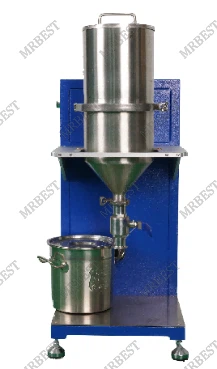
In conclusion, the working principle of an electrolyte filling machine is based on the precise control of the flow of electrolyte from a reservoir to the filling nozzles. The machine uses a combination of pumps, filling nozzles, a control system, and a container handling system to ensure accurate and consistent filling of the containers. By understanding the working principle of these machines, manufacturers can make informed decisions about the selection and operation of electrolyte filling machines to meet their specific production needs.
Slurry Filter If you’re interested in learning more about electrolyte filling machines or are looking to purchase a machine for your manufacturing process, I encourage you to contact me. I’d be happy to discuss your requirements and provide you with more information about our range of electrolyte filling machines.
References
- Smith, J. (2020). Principles of Filling Machine Technology. Manufacturing Press.
- Johnson, A. (2019). Electrolyte Handling and Filling in Battery Manufacturing. Battery Technology Journal.
- Brown, C. (2018). Advances in Filling Machine Design and Operation. Industrial Equipment Review.
Shenzhen Meirui Zhida Technology Co., Ltd.
Shenzhen Meirui Zhida Technology Co., Ltd. is one of the most professional elctrolyte filling machine manufacturers and suppliers in China, specialized in providing high quality products with low price. If you’re going to buy bulk discount elctrolyte filling machine made in China, welcome to get pricelist and quotation from our factory.
Address: 104 Building 6, Second Industrial Zone, Shanmen Community, Yanluo Street, Baoan District, Shenzhen China
E-mail: mrbest@szmrbest.com
WebSite: https://www.szmrbest.com/
