Hey there! I’m a supplier of fire rated windows, and today I wanna chat about how these bad boys interact with building automation systems. It’s a topic that doesn’t get enough buzz, but it’s super important when you’re looking at making buildings safer and more efficient. Fire Rated Window

Let’s start with the basics. Fire rated windows aren’t your average windows. They’re designed to withstand fire for a specific period, which can range from a half – hour to a few hours. This is crucial in preventing the spread of fire and smoke, protecting people and property inside the building. But how do they fit into the world of building automation?
Building automation systems are all about making buildings smart. They control everything from the temperature and lighting to security systems. These systems use sensors, controllers, and software to manage and monitor the building’s functions in real – time. When it comes to fire rated windows, they can be integrated into this network to enhance the overall safety and functionality of the building.
One of the key ways fire rated windows interact with building automation is through smoke detection. Most building automation systems have smoke detectors installed throughout the building. When these detectors sense smoke, they can trigger a series of actions. For fire rated windows, this might mean closing automatically. You see, in the event of a fire, keeping the windows shut can prevent the fire and smoke from spreading to other parts of the building or to adjacent buildings.
Let me give you an example. Say there’s a small fire in an office on the second floor. The smoke detectors in the area pick up the smoke and send a signal to the building automation system. The system then communicates with the fire rated windows in that room and the surrounding areas. These windows, which are equipped with motorized mechanisms, close up tight. This simple action can buy precious time for people to evacuate and for the fire department to arrive.
Another aspect is the ventilation control. Building automation systems can manage the ventilation in a building to ensure good air quality. But in the case of a fire, the rules change. Fire rated windows can work in tandem with the ventilation system. When the building automation system detects a fire, it can adjust the ventilation to expel smoke while keeping the fire from spreading. The fire rated windows can be part of this process. For instance, if there are vents near the windows, the system can close them to prevent the fire from getting oxygen from outside.
Now, let’s talk about monitoring. Building automation systems are great at monitoring the status of different components in a building. Fire rated windows can be equipped with sensors that send information back to the system. This includes whether the window is open or closed, if there are any signs of damage, and even the temperature around the window. This data is crucial for building managers. They can use it to ensure that the fire rated windows are in proper working condition at all times.
For example, if a sensor on a fire rated window detects a sudden increase in temperature, it could be a sign of a nearby fire. The system can then alert the building management and take appropriate actions, such as closing the window and notifying the fire department.
But it’s not just about safety. There are also energy – efficiency benefits. Building automation systems can optimize the use of fire rated windows to save energy. During normal times, the system can open the windows at the right times to let in fresh air and natural light, reducing the need for artificial lighting and air – conditioning. This not only saves on energy costs but also makes the building more comfortable for the occupants.
However, integrating fire rated windows with building automation systems isn’t always a walk in the park. There are some challenges. One of the main issues is compatibility. Not all fire rated windows are designed to work with every building automation system. You need to make sure that the windows you choose are compatible with the system in place or vice versa.
Another challenge is the cost. Adding the necessary sensors and motorized mechanisms to fire rated windows can increase the price. But in my opinion, it’s a small price to pay for the added safety and efficiency. After all, the cost of a fire can be much higher in terms of property damage and human lives.
Maintenance is also a factor. The sensors and other components of the integration need to be regularly maintained to ensure they’re working properly. Building managers need to have a plan in place for this.
So, if you’re in the market for fire rated windows and you’ve got a building automation system or are planning to install one, it’s important to consider how they’ll work together. You want to make sure that you’re getting the most out of both.
As a fire rated window supplier, I’ve seen firsthand the benefits of this integration. I’ve worked with customers who have seen a significant improvement in the safety and efficiency of their buildings after integrating our fire rated windows with their automation systems.
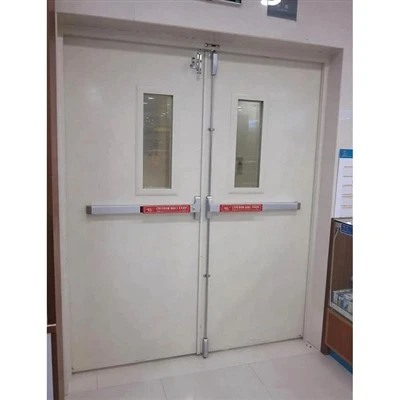
If you’re interested in learning more about how our fire rated windows can work with your building automation system, or if you want to discuss a potential purchase, don’t hesitate to reach out. We can have a chat about your specific needs and come up with a solution that’s right for you.
Rolling Shutter Door References
- "Fire – Resistive Construction and Fire Protection Systems" by the National Fire Protection Association
- "Building Automation and Control Systems Handbook" by Peter M. Anderson
Hebei Hong’an Fire Door Co. Ltd.
Hebei Hong’an Fire Door Co., Ltd. is one of the most professional fire rated window manufacturers and suppliers in China, featured by quality products and low price. Please rest assured to wholesale advanced fire rated window made in China here from our factory. Customized orders are welcome.
Address: Bianbian Industrial Zone, Hejian City, Cangzhou City, Hebei Province, China
E-mail: hongandoor@outlook.com
WebSite: https://www.honganfd.com/
