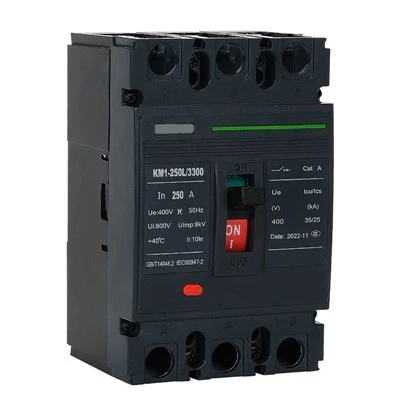
As a supplier of Molded Case Circuit Breakers (MCCBs), I’ve delved deeply into the world of electromagnetic compatibility (EMC) requirements for these essential electrical devices. MCCBs play a critical role in protecting electrical circuits from overcurrents, short – circuits, and other electrical faults. Ensuring their electromagnetic compatibility is not only a matter of regulatory compliance but also of overall system reliability and safety. Molded Case Circuit Breakers
Understanding Electromagnetic Compatibility
Electromagnetic compatibility refers to the ability of an electrical device to function correctly in its electromagnetic environment without causing unacceptable electromagnetic interference (EMI) to other devices. In the case of MCCBs, this means that the breaker should operate smoothly without generating excessive electromagnetic noise that could disrupt neighboring electrical equipment. It also implies that the MCCB should be immune to external electromagnetic disturbances so that its performance is not compromised.
There are two main aspects of EMC: emissions and immunity.
Emissions
MCCBs can emit electromagnetic signals during their normal operation. For example, when the contacts of the MCCB open or close, there can be arcing, which generates electromagnetic fields. These fields can radiate into the surrounding environment and potentially interfere with other sensitive electronic devices. The emissions are classified into two types: radiated emissions and conducted emissions.
Radiated emissions are the electromagnetic fields that are emitted into the air from the MCCB. These fields can spread over a certain distance and affect nearby equipment. Conducted emissions, on the other hand, are the electrical signals that are carried through the power lines or other conductive paths. They can travel along the wiring and cause interference in other electrical devices connected to the same power network.
International and national standards have set strict limits on the allowable levels of both radiated and conducted emissions. For instance, in the European Union, the EMC Directive (2014/30/EU) requires that all electrical equipment, including MCCBs, comply with the relevant EMC standards such as EN 55011 for industrial, scientific, and medical equipment. In the United States, the Federal Communications Commission (FCC) has established regulations for EMI control, and MCCBs must meet the requirements of FCC Part 15.
Immunity
MCCBs must also be immune to external electromagnetic disturbances. There are various sources of electromagnetic interference in the real – world environment. Lightning strikes can generate high – voltage surges and electromagnetic pulses. Radio frequency radiation from wireless communication devices, such as mobile phones and Wi – Fi routers, can also affect the performance of MCCBs.
Immunity tests are conducted to verify that the MCCB can withstand these external disturbances without malfunctioning. Some of the common immunity tests include the electrostatic discharge (ESD) test, the radio – frequency electromagnetic field (RF) test, and the electrical fast – transient (EFT) test.
- ESD Test: This test simulates the effect of static electricity discharge on the MCCB. When a person touches an electrical device, there can be a sudden discharge of static electricity, which can cause malfunctions or damage. The MCCB should be able to tolerate a certain level of ESD without any adverse effects.
- RF Test: Radio – frequency electromagnetic fields are ubiquitous in modern environments. The MCCB should be able to operate normally in the presence of these fields. The RF test exposes the MCCB to a specific frequency range of electromagnetic fields at a certain field strength to check its performance.
- EFT Test: Electrical fast – transients are short – duration, high – frequency voltage spikes that can occur in power lines due to switching operations or other electrical events. The MCCB needs to be immune to these transients to ensure reliable operation.
Design Considerations for EMC Compliance in MCCBs
As a supplier, we take several design considerations into account to ensure that our MCCBs meet the EMC requirements.
Circuit Design
The internal circuit design of the MCCB is crucial for minimizing emissions and enhancing immunity. For example, we use proper grounding techniques in the circuit. A good grounding system provides a low – impedance path for the electromagnetic currents, reducing the amount of radiated emissions. We also use filtering components such as capacitors and inductors in the power supply circuit to suppress conducted emissions. These components can block high – frequency noise and allow only the desired power signals to pass through.
In addition, the layout of the circuit board is carefully designed. We keep the sensitive components away from the noisy components to reduce the coupling of electromagnetic interference. For instance, the control circuits, which are often more sensitive to electromagnetic disturbances, are separated from the power – carrying circuits.
Enclosure Design
The enclosure of the MCCB also plays an important role in EMC. A well – designed metal enclosure can act as a shield, reducing the radiated emissions from the MCCB. The enclosure should have good electrical conductivity and be properly grounded. We ensure that there are no large gaps or holes in the enclosure that could allow the electromagnetic fields to leak out. Additionally, any openings in the enclosure, such as ventilation holes, are designed with proper shielding measures to prevent emissions.
Material Selection
The choice of materials for the MCCB components can affect its EMC performance. For example, the contact materials should have good electrical conductivity to reduce the arcing during the opening and closing operations, which in turn reduces the electromagnetic emissions. The insulation materials should also have good dielectric properties and be resistant to electromagnetic interference.
Testing and Certification
To ensure that our MCCBs meet the EMC requirements, we conduct comprehensive testing at different stages of the product development process.
Prototype Testing
Before mass – producing a new MCCB model, we build prototypes and conduct EMC tests on them. These tests are carried out in an accredited EMC test laboratory using specialized test equipment. We measure the radiated and conducted emissions of the prototype and conduct immunity tests according to the relevant standards. Based on the test results, we can identify any potential EMC issues and make necessary design modifications.
Production – Line Testing
In addition to prototype testing, we also conduct EMC tests on the MCCBs produced on the production line. This is to ensure that each unit meets the EMC requirements. We use automated testing equipment to perform routine checks on the emissions and immunity of the MCCBs. Any non – compliant products are immediately taken out of the production line for further inspection and correction.
Once the MCCBs have passed all the EMC tests, they are eligible for certification. We obtain EMC certifications from recognized organizations, which serves as proof that our products meet the relevant EMC standards. This certification is not only important for regulatory compliance but also for building trust with our customers.
Importance of EMC – Compliant MCCBs for Customers
For our customers, using EMC – compliant MCCBs offers several benefits.
System Reliability
EMC – compliant MCCBs ensure that the electrical systems they are part of operate reliably. By minimizing electromagnetic interference, the risk of malfunctions in other electrical devices in the system is reduced. This is especially important in critical applications such as data centers, hospitals, and industrial control systems, where even a small interruption in the electrical supply can lead to significant losses.
Safety
EMC – compliant MCCBs also contribute to the overall safety of the electrical system. Since they are immune to external electromagnetic disturbances, the risk of false tripping or failure to trip in case of an electrical fault is minimized. This helps in protecting the electrical equipment and preventing potential fire hazards.
Regulatory Compliance
In many countries and regions, using EMC – compliant electrical equipment is mandatory. By choosing our EMC – compliant MCCBs, our customers can ensure that their electrical installations meet the local regulations, avoiding potential fines and legal issues.
Contact Us for Your MCCB Needs
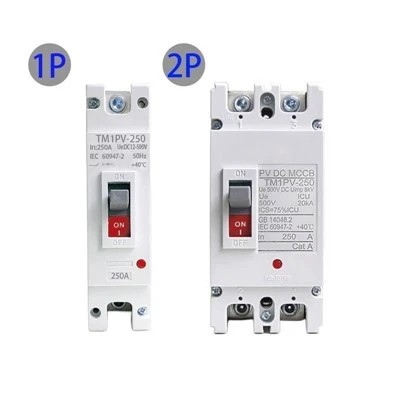
If you are in the market for high – quality, EMC – compliant Molded Case Circuit Breakers, we are here to serve you. Our team of experts has extensive experience in designing and manufacturing MCCBs that meet the strictest EMC requirements. We offer a wide range of MCCB models to suit different applications and electrical system specifications.
Wall Mounted Distribution Box Whether you are involved in a small – scale residential project or a large – scale industrial installation, we can provide you with the right MCCB solutions. We are committed to providing excellent customer service and technical support. If you have any questions about our products or need assistance in selecting the appropriate MCCBs for your project, please feel free to contact us. We look forward to the opportunity to discuss your requirements and work with you to ensure the success of your electrical projects.
References
- International Electrotechnical Commission (IEC) standards related to EMC for electrical equipment.
- European EMC Directive (2014/30/EU) and relevant EN standards.
- Federal Communications Commission (FCC) regulations for EMI control in the United States.
Wenzhou Lanen Electrical Co., Ltd.
Wenzhou Lanen Electrical Co., Ltd. is one of the most professional molded case circuit breakers manufacturers and suppliers in China, also supports customized service with low price. Please feel free to buy CE approved molded case circuit breakers made in China here from our factory. Contact us for more discount information.
Address: Zhiguang Liushi Town Yueqing City Wenzhou City Zhejiang Province
E-mail: lanen@luyele.cn
WebSite: https://www.lanenelectrical.com/
