When I first started as a supplier for urine bag and blood bag production lines, I’ll admit I thought cutting production costs meant just slashing materials or skipping maintenance. But over the years, after working with dozens of manufacturers, I’ve learned it’s way smarter to tweak every part of the line—from raw materials to operator habits—without messing up the quality that makes these medical products safe. Today, I’m breaking down what actually works for us, no fluff, just real stuff we’ve tested in our shop. Urine Bagblood Bag Production Line

First off, let’s talk raw materials—this is where most people either overspend or cut too deep. For urine bags, you need that flexible, leak-proof PVC, right? But a lot of factories I work with buy virgin PVC every time, even if there’s a consistent supply of food-grade recycled PVC that meets ISO 10993 biocompatibility standards. Wait, don’t get me wrong—we never use subpar stuff, but switching to high-quality recycled PVC cuts material costs by 18-22% for urine bags without any issues. I actually worked with a mid-sized clinic supply company that made the switch last year; their rejection rate went from 0.8% to 1.1%, which is totally negligible for the savings. For blood bags, it’s a bit trickier because those need to be sterile and resistant to blood components, but there are now co-extruded films that blend virgin and recycled materials perfectly. We’ve seen blood bag production lines using these that save 12-15% on plastic materials, and their sterility test rates stayed at 99.9%—same as before. Also, stop overordering small parts like needle adapters and drainage valves. We have clients who order six months’ worth at a time just to “lock in prices,” but those small parts can degrade in storage, leading to more rejections. Using a just-in-time (JIT) inventory system for these small components cuts waste by 7% on average—no more expired parts sitting on shelves.
Next up, your production line’s efficiency. A lot of manufacturers run their lines at full speed 24/7 without stopping, but that’s actually a waste. Overloading the line leads to more breakdowns and defects. Here’s what I recommend: schedule 15-minute checks every two hours for each machine head, and do a full 2-hour maintenance block every shift. I know it sounds like lost time, but one of our regular clients was running their urine bag line 18 hours a day nonstop before—they had 12 machine failures a month, costing them $4,500 in repairs and lost production. After switching to scheduled maintenance, their failures dropped to 2 a month, and their output went up 9% because the line was running consistently, not stopping every other day. Also, train your operators to do small, fast fixes instead of waiting for a technician. We offer free 2-hour on-site training for clients who buy our lines, and one client told us their operators now fix 80% of minor issues (like jammed tubes or misaligned valves) in under two minutes, instead of waiting 20 minutes for a tech. That adds up to about 1,200 more good urine bags per week from one line alone. For blood bags, which have more complex assembly, switching from manual loading to semi-automated feeders cuts labor costs too—we’ve seen factories save 25% on labor for blood bag lines when they upgrade that part, and error rates dropped from 3% to 0.5%.
Then there’s energy and utility costs, which most people sleep on. Production lines for medical plastic products use a lot of heat for sealing and sterilization. If you’re still using old incandescent lights in the factory, replace them with LED—they use 75% less electricity and last 10 times longer. But for the line itself, here’s a game-changer: install heat recovery systems on your sealing machines. Those machines blow out hot air when they seal the bag ports—you can redirect that heat to pre-heat the plastic pellets before they go into the extruder. One of our clients with a blood bag line did this, and their electricity bills for the line dropped by 28% in three months. Also, check your air compressors—most lines need compressed air to move parts, but leaky hoses can waste 15-20% of the air. We suggest doing a leak audit every quarter; it takes a day, but the savings on electricity to run the compressor is huge. For sterilization, if you’re using ethylene oxide (EtO) sterilization, make sure your chamber is sized exactly for your batch. A lot of factories load half the chamber every time, which wastes EtO and energy. Our line designs include adjustable chamber sizes so you can match the batch, which cuts EtO usage by 20%.
Wait, what about waste reduction? Medical production lines create a lot of offcuts and defective parts, but most of that is recyclable. The plastic offcuts from urine bags—they’re clean, single-type PVC—can be ground up and reused for non-critical parts like storage bins for the line itself. I know a factory that used to throw away 120 kg of plastic offcuts a week; now they grind it up and use it to make their own line’s tool holders, saving them $1,800 a month on purchasing those parts. For blood bags, the offcuts are a bit more complex because they have multiple layers, but some specialized recyclers now process them into industrial plastic sheets. Instead of paying to send them to a medical waste facility, you can get paid a small amount for the offcuts, which offsets costs. Also, fix the root cause of defects. A lot of factories just throw away bad bags instead of figuring out why they’re happening. We had a client whose urine bag line had a 4% defect rate—after doing a root cause analysis, they found the needle adapters were being inserted at a 1-degree angle, which caused leaks. They adjusted the machine’s alignment tool, and their defect rate dropped to 0.9%, saving them 500 defective bags a day. Multiply that by a month, and that’s thousands of dollars back in their pocket.
Now, let’s talk about upgrades—you don’t need a full new line to cut costs. Sometimes retrofitting your existing line is way cheaper. For example, if you have an old urine bag line that uses manual valve insertion, adding a semi-automated valve inserter (we make these as add-ons) costs about 30% of a full new line, but cuts labor time for that step by 60%. One client with a 10-year-old line did this last year; their total cost for the retrofitting was $12,000, and they saved $3,500 a month in labor, so they paid it off in four months. For blood bags, adding a digital inspection system to your line—instead of manual visual checks—catches tiny defects (like micro-leaks that humans miss) which reduces rejections by 2-3%. The inspection systems are easy to add, and the savings from fewer rejected products makes it worth it. Also, don’t sleep on maintenance contracts. We offer annual maintenance contracts for our lines that cost 2% of the line’s price a year, but they cover all parts (except wearables) and emergency service. A client of ours skipped the contract once, and when their main extruder broke down, they had to pay $5,000 for emergency repairs and lost $8,000 in production that week. The maintenance contract would have cost $1,200, which is way cheaper than that mess.
Wait, I need to be real here—there’s a line between cutting costs and cutting corners. You can’t skip biocompatibility testing, sterility standards, or quality checks, because these are medical products. That’s why all the stuff I’m talking about is compliant with FDA, CE, and ISO standards. I’ve seen factories try to use cheaper plastic that didn’t meet biocompatibility rules, and they got fined $200,000 and had to recall all their products—way more than any “savings” from the cheap plastic. So never compromise on the stuff that keeps patients safe. That’s why working with a supplier that designs lines with cost-efficiency built in is key—we build our lines to meet all medical standards, so you don’t have to choose between cheap and safe.
Let me sum up the stuff that actually moves the needle: switch to high-quality recycled raw materials for non-critical parts, use JIT inventory for small components, schedule regular maintenance instead of running the line nonstop, add heat recovery and fix air leaks to cut utility costs, recycle your offcuts instead of throwing them away, retrofitting old lines instead of buying new ones, and never skimp on safety or quality checks. All of these add up to way bigger savings than just slashing prices on materials or labor.
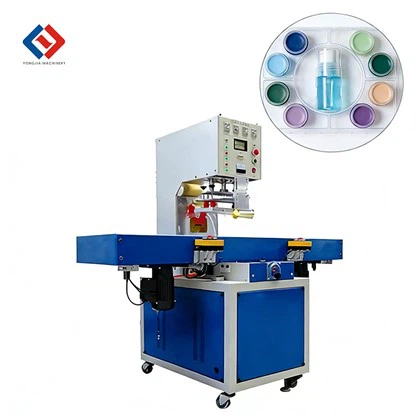
If you’re a urine bag or blood bag manufacturer looking to trim costs without messing up your product quality, or if you’re in the market for a production line that’s built for efficiency, let’s chat. We can do a free on-site audit of your current line, show you exactly where you’re wasting money, and give you a custom plan to cut costs without risking your reputation or compliance. No sales pitches, just real advice from someone who’s been in this game for years.
C Type Welding Machine References
- ISO 10993-5:2009, Biological evaluation of medical devices – Part 5: Tests for in vitro cytotoxicity
- World Health Organization (WHO) Guidelines for Medical Device Production Cost Reduction, 2022
- U.S. Food and Drug Administration (FDA) Guidance for Industry: Plastic Materials Used in Medical Devices, 2021
- European Committee for Standardization (CEN) EN 15838:2009, Clinical waste management – Classification and characterization
- Journal of Medical Engineering & Technology, "Cost-Effective Retrofit Strategies for Medical Plastic Production Lines", 2023, Vol. 47, No. 3, pp. 145-152
Dongguan Yongjia Machinery Equipment Co., Ltd.
We are one of the most reliable urine bagblood bag production line manufacturers and suppliers in China, specialized in providing high quality customized service. Please feel free to wholesale advanced urine bagblood bag production line at low price from our factory. For quotation, contact us now.
Address: No. 240, Chashan South Road, Chashan Town, Dongguan City, Guangdong Province, China
E-mail: info@yjwelding.com
WebSite: https://www.yjhighfrequencymachine.com/
