Hey there! I’m a supplier of industrial distribution boxes. I’ve been getting quite a few questions lately about whether an industrial distribution box can be integrated with a monitoring system. And let me tell you, it’s a topic that’s super relevant in today’s industrial world. Industrial Distribution Box

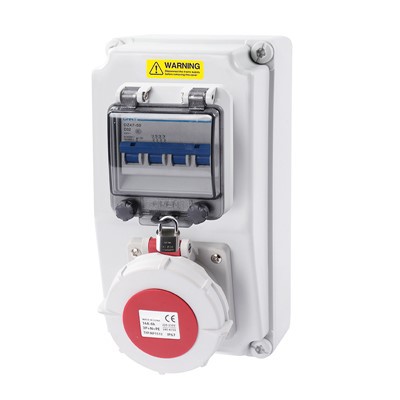
So, first off, what’s an industrial distribution box? Well, it’s basically a crucial component in an electrical system. It’s like the control center that distributes electrical power to different parts of a facility. You can find these boxes in factories, warehouses, and all sorts of industrial settings. They come in different sizes and configurations, depending on the specific needs of the place.
Now, let’s talk about monitoring systems. These days, industries are all about data and efficiency. A monitoring system can collect and analyze data about various aspects of an electrical system, like voltage, current, temperature, and more. This data can help in detecting potential issues early, preventing breakdowns, and optimizing the overall performance of the system.
The big question is, can we integrate an industrial distribution box with a monitoring system? The short answer is yes! And there are quite a few good reasons to do it.
One of the main benefits is improved safety. When you integrate a monitoring system, you can keep an eye on the electrical parameters in real – time. For example, if the temperature inside the distribution box starts to rise abnormally, the monitoring system can send an alert. This allows you to take action before a fire or other serious problems occur. It’s like having an extra set of eyes watching over your electrical infrastructure 24/7.
Another advantage is better maintenance. With a monitoring system in place, you don’t have to rely on scheduled maintenance checks. Instead, you can use the data collected to perform maintenance only when it’s actually needed. This is called condition – based maintenance, and it can save a lot of time and money. For instance, if the monitoring system shows that a particular circuit is experiencing high levels of stress, you can address the issue right away, rather than waiting for the next scheduled maintenance.
Also, integration can lead to increased efficiency. By analyzing the data from the monitoring system, you can identify areas where power is being wasted. Maybe there are some circuits that are drawing more power than they should. You can then make adjustments to optimize the power usage and reduce energy costs. It’s a win – win situation for both the environment and your bottom line.
But how do we actually integrate an industrial distribution box with a monitoring system? Well, there are a few different ways.
One common method is to use sensors. These sensors can be installed inside the distribution box to measure things like voltage, current, and temperature. The sensors are then connected to a data acquisition unit, which collects the data and sends it to the monitoring system. The monitoring system can be a software application running on a computer or a cloud – based platform.
Another approach is to use smart components. Some modern industrial distribution boxes come with built – in smart features. These components can communicate directly with the monitoring system, eliminating the need for additional sensors in some cases. They can provide real – time data about their operation and also perform self – diagnostics.
However, there are also some challenges to consider when integrating an industrial distribution box with a monitoring system.
One of the challenges is compatibility. Not all distribution boxes and monitoring systems are compatible with each other. You need to make sure that the sensors, data acquisition units, and the monitoring software can work together seamlessly. This may require some research and testing before you make a final decision.
Cost is another factor. Implementing a monitoring system can be expensive, especially if you need to purchase new sensors, data acquisition units, and software. You also need to consider the cost of installation and maintenance. But in the long run, the savings from improved safety, maintenance, and efficiency can outweigh the initial investment.
Security is also a major concern. When you integrate a distribution box with a monitoring system, you’re essentially connecting it to a network. This makes it vulnerable to cyberattacks. You need to take appropriate security measures, like using firewalls, encryption, and regular software updates, to protect your system from hackers.
As a supplier of industrial distribution boxes, I’ve seen firsthand how the integration of a monitoring system can transform an electrical system. I’ve helped many customers implement these solutions, and the results have been amazing. They’ve experienced fewer breakdowns, lower energy costs, and improved overall safety.
If you’re in the market for an industrial distribution box and are considering integrating it with a monitoring system, I’d love to chat. I’ve got a lot of knowledge and experience in this area, and I can help you find the best solution for your specific needs. Whether you’re a small business or a large corporation, having a well – designed and integrated electrical system is crucial for your success.
Don’t hesitate to reach out. Let’s have a conversation about how we can make your electrical system more efficient, safe, and reliable.
Thermoplastic Power Distribution Box References:
- Electrical Engineering textbooks on industrial power distribution
- Industry reports on smart grid and electrical system monitoring
Apeks Electric Co., Ltd.
As one of the leading industrial distribution box manufacturers and suppliers in China, we also support custom service. With abundant experience, we warmly welcome you to wholesale high quality industrial distribution box from our factory. Welcome to view our website for more information.
Address: No.2 Yuyao Rd, Yuxin, Nanhu District, Jiaxing, China
E-mail: kevin@apekselectric.com
WebSite: https://www.powerdistros.com/
