As a seasoned supplier of grain coolers, I’ve encountered numerous inquiries regarding the proper transportation of these essential pieces of equipment. Grain coolers play a pivotal role in preserving the quality of stored grains by maintaining optimal temperature and humidity levels. However, their safe and efficient transportation is crucial to ensure they arrive at their destination in perfect working condition. In this comprehensive guide, I’ll share my insights and expertise on how to transport a grain cooler effectively. Grain Cooler
Understanding the Grain Cooler
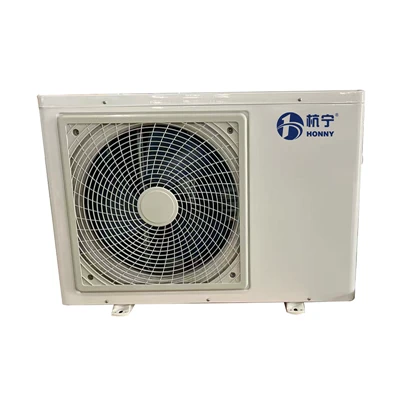
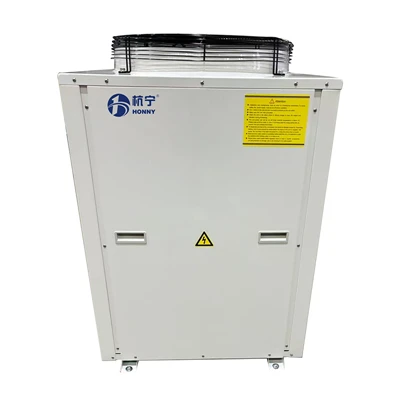
Before delving into the transportation process, it’s essential to understand the basic components and characteristics of a grain cooler. Grain coolers typically consist of a fan, a cooling coil, and a control system. They come in various sizes and capacities, ranging from small, portable units to large, industrial – scale coolers. The weight and dimensions of the cooler will significantly impact the transportation method and requirements. For instance, a small, portable grain cooler may weigh around 50 – 100 pounds and can be easily carried by hand or loaded into a small vehicle, while a large industrial cooler can weigh several thousand pounds and require heavy – duty transportation equipment.
Pre – Transportation Preparation
Inspection
The first step in the transportation process is to thoroughly inspect the grain cooler. Check for any visible damage, such as dents, cracks, or loose parts. Ensure that all electrical connections are secure and that the fan and cooling coil are in good condition. If any issues are detected, it’s advisable to repair them before transportation to prevent further damage during transit.
Cleaning
A clean grain cooler not only looks better but also reduces the risk of damage during transportation. Remove any dirt, debris, or dust from the cooler’s exterior and interior. Pay special attention to the fan blades and the cooling coil, as these components can be easily damaged if they are clogged with dirt.
Disassembly (if necessary)
In some cases, it may be necessary to disassemble the grain cooler before transportation. This is especially true for larger coolers that are too large or heavy to be transported in one piece. When disassembling the cooler, make sure to label all the parts clearly and keep all the hardware in a safe place. Follow the manufacturer’s instructions carefully to ensure that the cooler can be reassembled correctly at the destination.
Choosing the Right Transportation Method
Small Portable Grain Coolers
For small, portable grain coolers, transporting them in a vehicle such as a van, SUV, or pickup truck is often the most convenient option. These coolers are lightweight and can be easily loaded and unloaded. However, it’s important to secure the cooler properly inside the vehicle to prevent it from shifting during transit. You can use straps, ropes, or bungee cords to tie the cooler down.
Medium – Sized Grain Coolers
Medium – sized grain coolers may require a flatbed trailer or a specialized equipment transport vehicle. When using a flatbed trailer, ensure that the trailer is of appropriate size and weight capacity. The cooler should be centered on the trailer and secured with chains or straps. Make sure the chains or straps are tightened properly to prevent the cooler from moving.
Large Industrial Grain Coolers
Large industrial grain coolers are usually transported by heavy – duty trucks or specialized transportation companies. These coolers are extremely heavy and require professional handling. The transportation company will have the necessary equipment, such as cranes and forklifts, to load and unload the cooler safely. They will also have experience in securing the cooler during transit to prevent damage.
Securing the Grain Cooler for Transportation
Strapping and Chaining
Once you have chosen the transportation method, the next step is to secure the grain cooler. For coolers transported on a trailer or in a truck, use high – quality straps or chains to hold the cooler in place. The straps or chains should be attached to sturdy anchor points on the cooler and the transportation vehicle. Make sure to tighten the straps or chains evenly to prevent the cooler from tilting or shifting.
Padding
To protect the grain cooler from scratches and dents during transportation, use padding materials such as foam, rubber, or cardboard. Place the padding around the corners and edges of the cooler, as these areas are most vulnerable to damage. You can also use padding to separate the cooler from other objects in the transportation vehicle to prevent them from rubbing against each other.
Special Considerations for Different Transport Conditions
Long – Distance Transportation
Long – distance transportation poses additional challenges. The cooler may be exposed to different weather conditions and road vibrations over an extended period. It’s important to choose a transportation method that provides adequate protection against these factors. For example, if the cooler is being transported in an open – air trailer, consider covering it with a waterproof tarp to protect it from rain and dust.
International Transportation
If you are transporting a grain cooler internationally, you need to comply with various customs regulations and documentation requirements. Make sure to obtain all the necessary permits and certificates, such as a bill of lading, export license, and customs declaration. It’s also advisable to work with a freight forwarder who has experience in international shipping to ensure a smooth transportation process.
Monitoring the Transportation
During the transportation, it’s important to keep track of the cooler’s progress. If possible, use tracking devices to monitor the location and condition of the cooler. This will allow you to address any issues that may arise during transit promptly. You can also communicate with the transportation company regularly to get updates on the delivery status.
Reassembling and Testing at the Destination
Once the grain cooler arrives at its destination, it’s time to reassemble it (if it was disassembled) and test it. Follow the manufacturer’s instructions carefully during the reassembly process. After reassembling, conduct a thorough test of the cooler to ensure that it is working properly. Check the fan operation, the cooling performance, and the control system.
In conclusion, transporting a grain cooler requires careful planning and execution. By following the steps outlined in this guide, you can ensure that your grain cooler arrives at its destination safely and in optimal working condition. Whether you are a farmer looking to transport a small – scale cooler to your storage facility or a large – scale distributor shipping multiple industrial coolers, these guidelines will help you navigate the transportation process with confidence.
If you are in the market for a high – quality grain cooler or need further advice on transportation, please don’t hesitate to reach out. Our team of experts is always ready to assist you in finding the perfect solution for your grain cooling needs and ensuring its smooth transportation.
Heat Pump Water Heater References
- Agricultural Equipment Handbook: A comprehensive guide on the use and transportation of various agricultural equipment, including grain coolers.
- Manufacturer’s Manuals: For specific information on the disassembly, assembly, and transportation requirements of different grain cooler models.
- Industry Best Practices for Equipment Transport: Articles and reports from industry associations and professionals on the proper handling and transportation of industrial equipment.
Hangzhou Honny Heat Energy Technology Co., Ltd.
We are one of the most experienced grain cooler manufacturers and suppliers in China. With a professional production team, we are able to meet the needs of the majority of our customers. Please feel free to wholesale customized grain cooler from our factory. Also, quotation is available.
Address: Dingshan Village, Wenyan Subdistrict, Xiaoshan District, Hangzhou City, Zhejiang Province
E-mail: 524435406@qq.com
WebSite: https://www.hnrnkj.com/
