If you’ve ever stood before a well-placed bronze sculpture in a garden—how it catches the morning light, softens the edge of a overgrown perennial bed, or feels like it’s always belonged there, not just set down—you know it’s not just art. It’s part of the garden’s rhythm, a quiet companion that changes with the seasons, the time of day, and even the weather. As someone who’s spent 12 years selling bronze sculptures to gardeners, landscape designers, and even homeowners who’ve always thought “art” was too stuffy for their backyard, I’ve learned the best bronze inclusions aren’t about picking the shiniest or largest piece. They’re about matching the sculpture to your garden’s bones, not just its flowers. Let’s walk through how to do that, no fancy degree or huge budget required. Bronze Sculptures
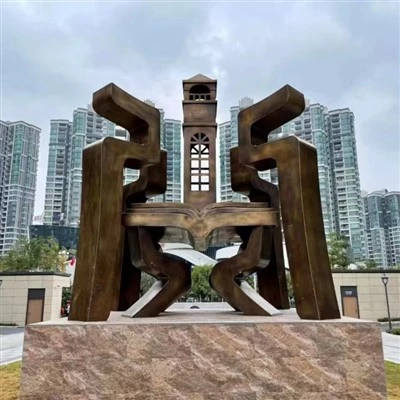
First, you need to understand what makes bronze work outside, because it’s not the same as keeping it indoors. Bronze is a magical metal here: it patinas, or changes color over time, depending on climate, soil pH, and even the plants around it. A piece I sold to a homeowner in rainy Pacific Northwest turned from a warm golden-brown to a deep, mossy green in three years; the same exact sculpture in the arid Southwest stayed a rich, earthy brown with subtle chestnut highlights. I always tell new customers to stop trying to control that patina—it’s part of the magic. Instead, work with it, not against it. If your garden leans toward soft, cool tones (lavender, silver foliage, blue salvia), a sculpture that’s developing that green patina will blend seamlessly, like it’s grown there. If you have warm tones (orange daylilies, yellow coneflowers, terracotta pots), a slightly shinier, less patinated piece will pick up that heat without clashing. The biggest mistake I see new buyers make is choosing a pre-patinated bronze that’s too bright, like a polished new penny, for a shaded, mossy garden—it looks out of place, like you dragged a urban street art piece into a wooded glen. Wait for the natural patina, or ask your bronze supplier for a “mild patina” option that’s halfway between new and aged, so it doesn’t jar with your garden’s existing vibe.
Next, think about scale and proportion, because a bronze that’s too small gets lost, and one that’s too big dominates. This is where I always advise people to do a quick, low-tech test before buying anything. Grab a tape measure, walk around your garden, and find the spot where you want to place the sculpture. Measure that space’s width and height, and then measure the scale of the plants around it. If you have a 10-foot-tall oak tree, a 2-foot bronze mouse might look cute, but it’ll be invisible under its branches. If you have a small patio garden with 1-foot-tall pansies, a 5-foot abstract horse will take over the whole space, and the flowers will feel like afterthoughts. I once had a customer in Chicago who wanted a bronze heron for her 8×10 raised bed garden; she initially picked a 3-foot heron, which made her marigolds look like tiny toy flowers. We swapped it for a 12-inch heron, and suddenly it was perfect—tall enough to see, small enough to let the garden be the star. Another trick I learned years ago: hold your phone at arm’s length, then zoom in or out until the spot where the sculpture will go fills about a third of your phone screen. That’s roughly the right scale. If it’s half the screen, it’s too big; if it’s smaller than a thumbnail, it’s too small. No fancy math required, just a little trial and error.
Then, placement: the three key spots that work for almost every garden, whether it’s a tiny city yard or a 2-acre country plot. The first is a focal point, but not the only focal point. Too many people plop a sculpture in the middle of their lawn, which makes it the only thing people look at and overwhelms the space. Instead, tuck it at the end of a path or at a bend in a winding path—something that draws the eye, so when you turn the corner, you’re surprised by it, and it feels like a reward for walking through the garden. I sold a bronze rabbit to a customer in Portland who tucked it at the base of a curved flagstone path lined with hostas; every time she walks out to get the mail, she pauses, and it feels like the rabbit is peeking out from the leaves, not sitting on a pedestal. The second spot is a transition zone: where the lawn meets the flower bed, or the deck meets the wooded area. Bronze works as a bridge between two different parts of the garden, softening the change. I had a customer in Austin who put a bronze lizard at the edge of her concrete patio, where it meets the bed of black-eyed Susans; the lizard’s curved shape mirrored the edge of the patio, and its bronze color picked up the brown of the patio stones, so it connected the hardscaping and the plants instead of sticking out. The third spot is water features: this is where bronze really shines, because it interacts with water in a way that no other material does. A bronze swan at the edge of a small pond, or a bronze frog sitting on a fountain spout—water running over bronze will make the patina deepen in that spot, creating subtle dark streaks, and the way the metal reflects and distorts the water is mesmerizing. The only thing to avoid with water, though, is placing a solid bronze sculpture directly in a standing pond without a little care: make sure it’s elevated slightly, either on a small stone base or a submerged ledge, so water can circulate around it and not cause any corrosion (though modern bronze alloys are very resistant, it’s still a good practice).
Now, materials and bases, because bronze doesn’t just sit on the ground. You can mount it on a simple stone plinth, a wooden stump (from a fallen tree in your yard, it’s free and has perfect texture), or even stack a few flat stones to make a low, natural base. The key here is to match the base to your garden’s hardscaping. If you have a lot of gray slate or bluestone, a slate plinth will blend perfectly; if you have a lot of weathered cedar, a cedar stump base will feel organic. I always tell customers to avoid shiny bases—metal bases, like steel or aluminum, will clash with bronze’s warm tones, unless your garden is very modern and industrial, which is a whole other vibe. For most traditional or cottage gardens, natural, rough materials work best. One thing I always emphasize: don’t use concrete as a base, unless you cover it with a layer of moss or mulch at the edges, because concrete is man-made and will look out of place in a garden. Even a simple flat stone base looks intentional, like it’s been there for years, not like you set it up last week.
Seasonal adaptability is another big one, especially if you live in a place with harsh winters or super hot summers. Bronze is durable, but it’s not indestructible if it’s placed wrong. If you live in a zone with freezing winters, make sure the sculpture isn’t sitting in a spot where water can pool around its base and freeze—thawing and freezing can shift the ground and tip a sculpture over, or even crack the base. I always recommend a small drainage layer of gravel under the base, about 2 inches thick, so water can drain away. For extreme heat, like the desert Southwest, avoid placing bronze in full sun all day—too much direct sun can make the patina fade unevenly. A spot with partial shade, like under a small crabapple tree or near a tall shrub, will protect it and let it develop a even patina. Another tip for seasonal gardens: if you change out your annuals every spring, pick a sculpture that doesn’t clash with every color you choose. A neutral bronze, rather than a pre-colored bronze, will work with pink tulips, orange poppies, purple lavender, whatever you plant. I sold a bronze abstract leaf sculpture to a customer in Minneapolis who changes her annuals every year; she says it works with every color because it just sits there, changing with the garden instead of fighting it.
Now, the fun part: choosing a sculpture that fits your garden’s personality. This is where a lot of people get stuck—do they get a animal sculpture, abstract, figurative? Let’s break that down. If your garden is cottage-style, full of roses, daisies, and climbing vines, a small animal sculpture—rabbit, bird, fox—feels playful and fits the whimsy. I once sold a bronze hedgehog to a customer in Vermont, and she placed it near her rose bed; it looked like it was foraging for fallen petals, which is exactly the vibe she wanted. If your garden is modern, with clean lines, native grasses, and hardscaping like concrete and metal, an abstract sculpture—like a curved piece or a geometric shape—will complement those lines. A lot of my landscape designer customers work with abstract bronze pieces to add a subtle art element without feeling too “decorative.” If your garden is formal, with symmetrical flower beds and topiaries, a figurative piece like a bronze urn or a small statue will fit the elegance. The most important thing here is to pick something you like, but make sure it’s not too personal. If you love Star Wars, a bronze Darth Vader sculpture might be a conversation starter, but it’s going to feel out of place in a traditional garden. There are plenty of bronze sculptures with neutral, timeless designs that work for any taste, from small abstract shapes to subtle animal figures.
Maintenance is surprisingly easy, which is why bronze is such a popular choice for gardens. You don’t need to polish it every month, like you would with silver or brass. In fact, polishing bronze will remove the patina that makes it look natural in the garden. Once a year, usually in early spring, I recommend a light cleaning: use a soft brush to remove any leaves or dirt, and if there’s any stubborn grime, a little dish soap and warm water, then rinse with a hose. That’s it. No special products, no complicated steps. If you live in a very humid or salty area, like near the ocean, you might notice a light white powdery patina (called bronze disease, though it’s not as bad as it sounds) — a quick wipe with a soft cloth and a small amount of mineral oil will stop it in its tracks. But that’s rare, most people never have to deal with it.
At the end of the day, incorporating a bronze sculpture into your garden is about balance. It’s not adding something to the garden—it’s adding something that belongs there. The best bronze sculptures I’ve sold over the years aren’t the ones that get posted on Instagram right away; they’re the ones that customers email me about 5 years later, saying they forgot the sculpture was there until someone pointed it out, and now they can’t imagine the garden without it. If you’re ready to add that kind of timeless element to your own garden, I’d be happy to walk through options tailored to your space, help you figure out scale and placement, or answer any questions about bronze care or patina. Don’t hesitate to reach out to discuss your needs.
Bronze Sculpture In The Hotel Lobby References
- The Bronze Garden: A Guide to Selecting, Placing, and Maintaining Outdoor Sculpture
- Patination of Bronze for Architectural and Landscape Applications, Journal of Metal Arts and Sculpture, 2019
- Garden Proportion and Scale: Design Principles for Outdoor Spaces, Landscape Architecture Magazine, 2021
- Outdoor Sculpture Maintenance: Best Practices for Durability and Aesthetic Longevity, National Sculpture Society, 2020
Huizhou Hexin Intelligent Manufacturing Industrial Co., Ltd.
Huizhou Hexin Intelligent Manufacturing Industrial Co., Ltd. is one of the most professional bronze sculptures manufacturers and suppliers in China. Please feel free to buy the newest bronze sculptures made in China here and get pricelist from our factory. All customized products are with high quality and competitive price.
Address: No. 31, Second Industrial Zone, Nankeng Village, Xinxu Town, Huiyang District, Huizhou City, Guangdong Province, P.R.China
E-mail: hztbjr@126.com
WebSite: https://www.bronzehexin.com/
